
A Short History of Storytelling
- storytelling
- history
- culture
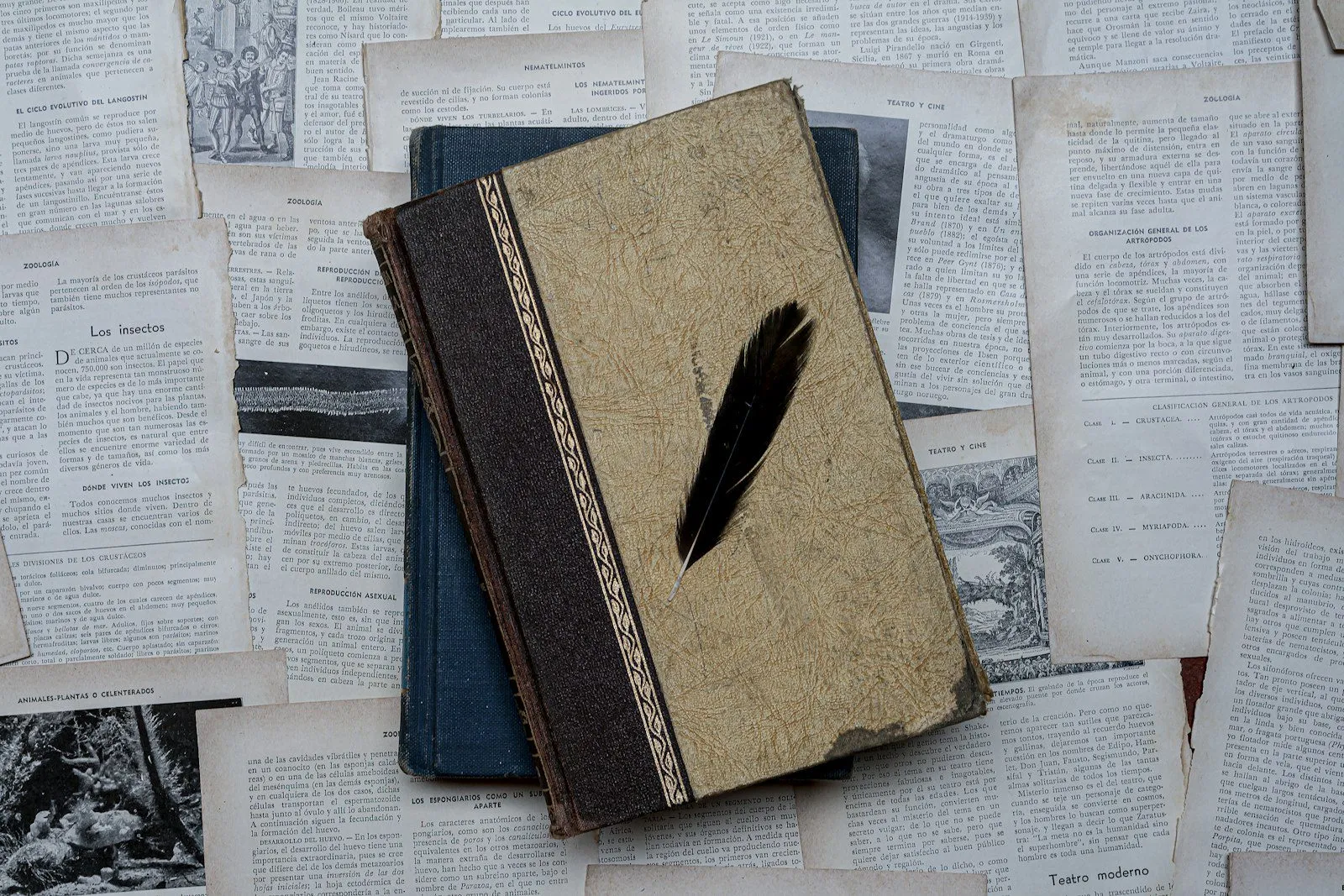
The history of storytelling stretches back long before writing, before cities or the wheel, to people sitting close together telling each other stories. The technology keeps changing, from voices around a fire to books to screens, but the impulse stays constant: we tell stories to remember, to explain, to belong, and to fall asleep feeling the world makes a little more sense. This is a brief tour of how storytelling traveled through history, and why the version you tell at your child's bedside belongs to that very long line.
The oral tradition
For most of human history, a story existed only as long as someone could remember it and say it aloud. There were no pages to check, no recordings to replay. Knowledge, history, law, and belief all lived in memory and passed from mouth to ear across generations.
This put enormous pressure on memory, and storytellers met it with clever tools. Rhythm, rhyme, repetition, and song are not just decoration; they are memory technology. A tale that rhymes and repeats is far easier to hold and pass on accurately. Many of the world's great epics were composed and performed this way, recited from memory long before anyone wrote them down, using stock phrases a skilled teller could lean on.
The oral tradition was also deeply communal. A story was a live event, shaped in the moment by teller and crowd. A storyteller read the room and adjusted, stretching a scene, adding a local detail, letting the audience join in on the familiar parts. That social, adaptive, face-to-face quality is the ancestor of every bedtime story since.
The written word and the age of print
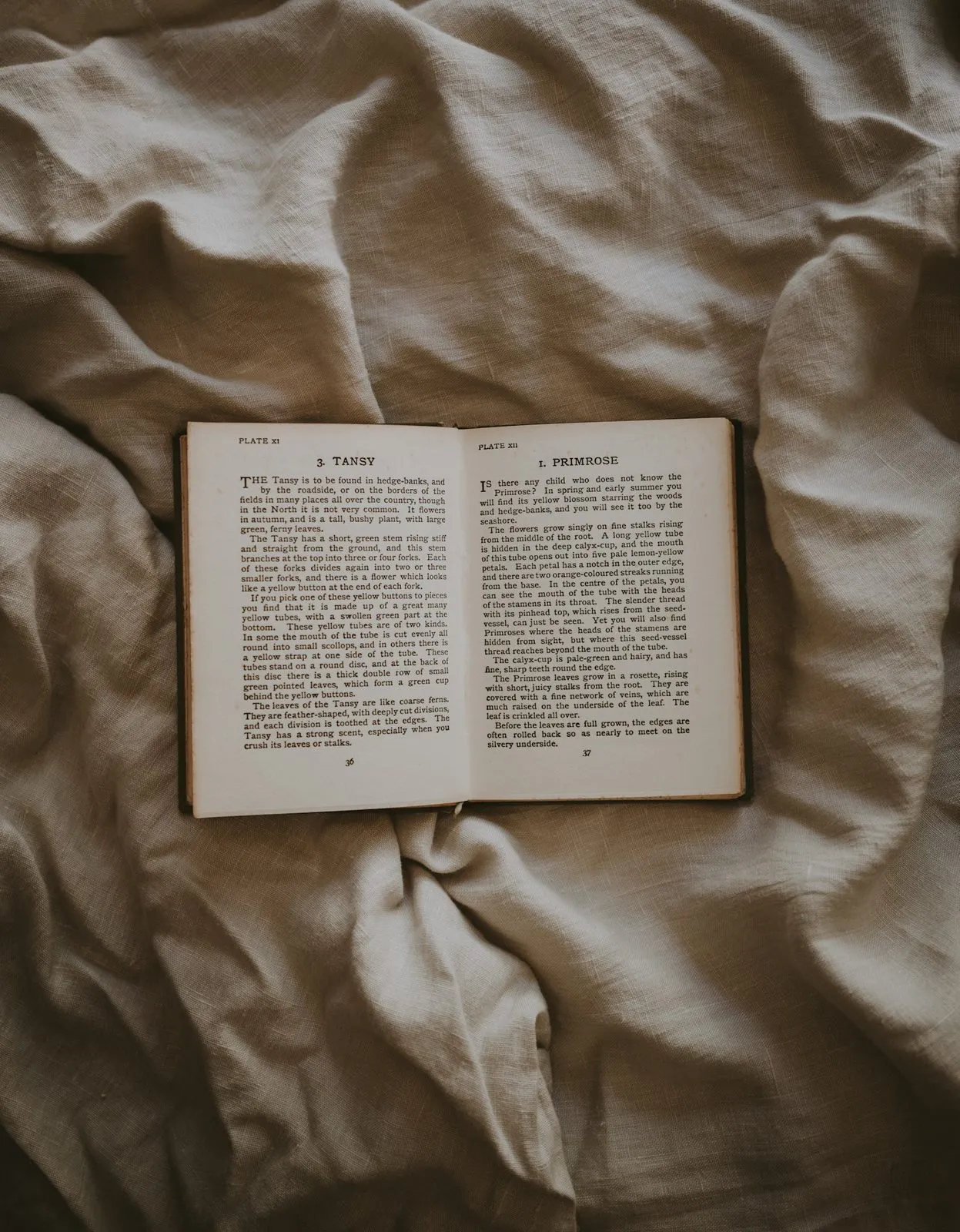
When writing was invented, storytelling changed profoundly. A story could now outlive the person who told it and travel far beyond the reach of any single voice. Fixed on clay, papyrus, or parchment, a tale could be preserved, carried to distant places, and read by people who never met its author.
For a long time this power was rare. Manuscripts were copied by hand, slowly and at great expense, so books were treasures owned by the few. Stories still reached most people the old way, out loud, recited by the small number who could read to those who could not.
The printing press changed the arithmetic entirely. Suddenly a story could be reproduced by the thousand, cheaply and identically, moving out of monasteries and palaces toward ordinary homes. As literacy spread, reading gradually became something individuals did quietly and alone, a private encounter between one reader and one book. Something was gained in reach and permanence, and something old was set aside: the shared live performance. It is worth noticing that the bedtime story quietly keeps the older form alive, a person reading aloud to a listener who is right there.
Radio, film, and the return of the collective story
The twentieth century brought a wave of new storytelling technologies, and something interesting happened: after centuries of reading drifting toward the solitary, stories became collective again.
Radio put a single voice or a whole cast into millions of homes at once. Families gathered around the set in the evening to listen together, and the storyteller's voice, absent from the printed page, came back. Film and then television went further, adding moving images and turning stories into something audiences experienced side by side, laughing and gasping at the same moments.
These forms were a genuine leap, but the underlying grammar of story did not change. A film still needs a character who wants something, an obstacle, rising tension, and a resolution, the same shape a storyteller used by the fire thousands of years ago. Each new medium adds capability, sound, image, motion, reach, without replacing the fundamentals of what makes a story satisfying.
The digital and personalized era
Now stories live on screens and travel through networks, and two things define this latest chapter: abundance and personalization.
The abundance is obvious. More stories are available to more people than at any point in history, on demand, in every format at once. A single device holds a library, a cinema, and an audiobook shelf, and anyone can become a teller, publishing to the world without a printing press or a broadcast tower.
The more striking shift is personalization. For nearly all of history a story was the same for everyone who received it; the words on the page did not change to suit the reader. Digital tools loosen that constraint, so a story can now be shaped around a specific child, their name, their world, the exact thing they are working through this week. This is, in a sense, a return to the oldest form, since the storyteller by the fire always tailored the tale to the listeners in front of them.
It is where a tool like Noctly fits into this long story. When you create an illustrated, narrated bedtime tale with your own child as the hero, you are using the newest technology to do the oldest thing: telling a story made for the particular person listening. The medium is a screen and a synthesized voice rather than firelight and memory, but the purpose is identical.
Key takeaways
- Storytelling predates writing; for most of history stories survived only through memory and the spoken voice.
- The written word and the printing press let stories outlive their tellers and reach vast audiences, nudging reading toward the solitary.
- Radio, film, and television made stories collective again while keeping the ancient story structure intact.
- Digital tools bring abundance and personalization, echoing how oral storytellers always tailored tales to their listeners.
- The reasons we tell stories, to understand, remember, belong, and comfort, have never changed, and bedtime reading carries the tradition forward.